I look forward to my visit to Tulip. I get to relax, enjoy the chats and the lovely friendly welcoming atmosphere.

welcoming atomsphere

Hair and scalp changes rarely exist in isolation, so I want to understand the whole picture rather than simply looking at the area that’s concerning you.
We’ll talk about your hair and scalp history, general health, family history, medications, nutrition, lifestyle and any significant changes or events that could be relevant.
I’ll also want to understand what you’ve noticed. When did it start? Has it happened suddenly or gradually? Are you shedding more hair? Has your parting become wider? Does your scalp itch, feel sore or produce more scale than usual?
Sometimes the smallest details can be really useful.
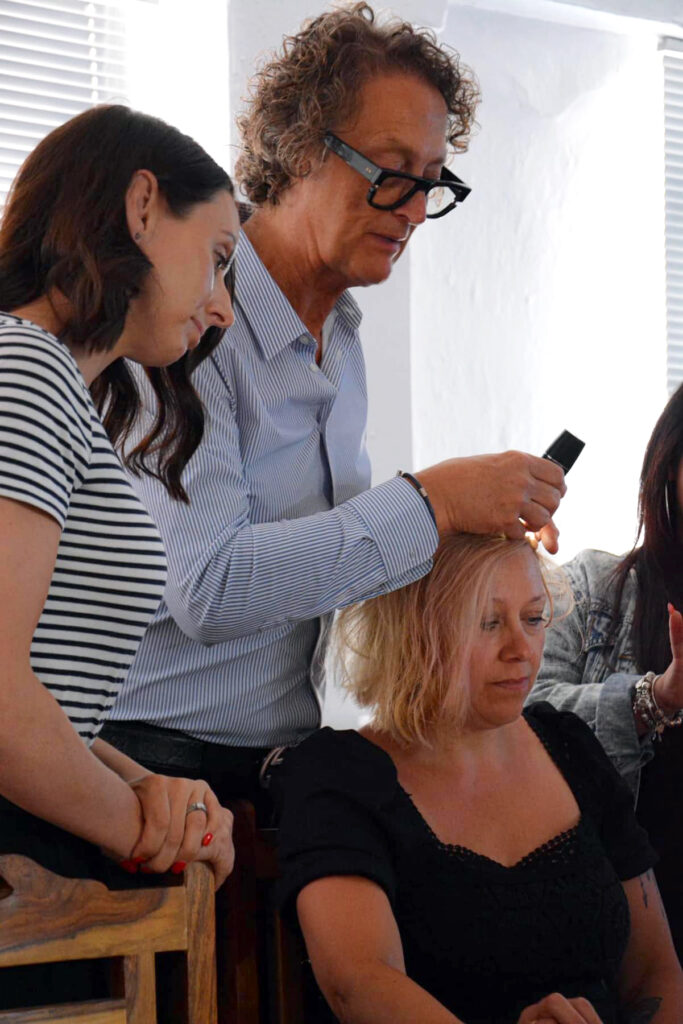
Next, I’ll examine your hair and scalp closely.
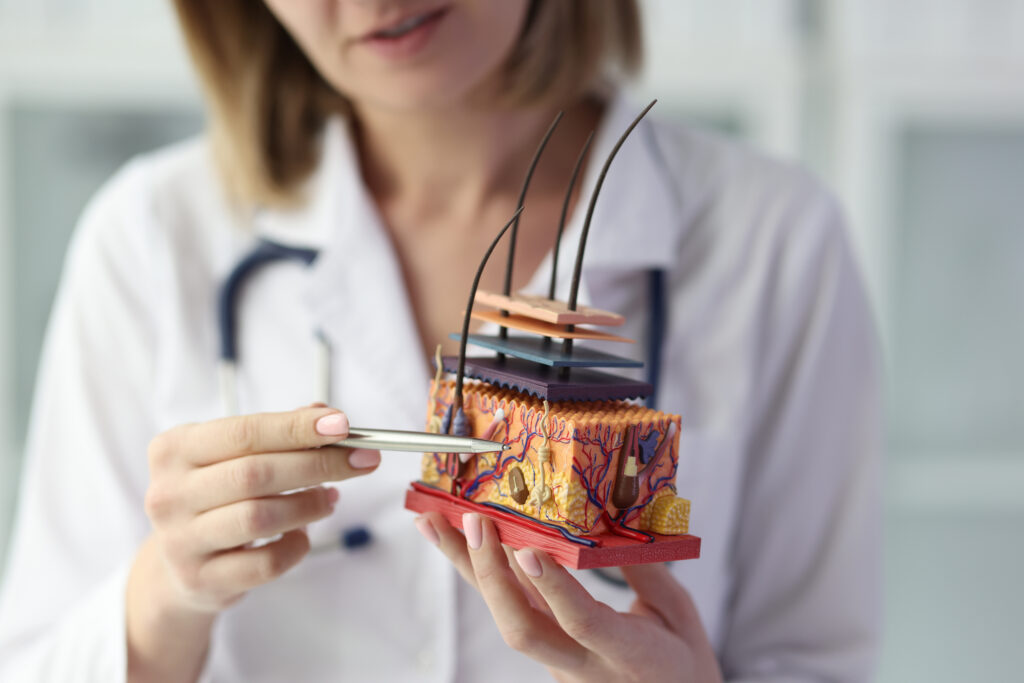
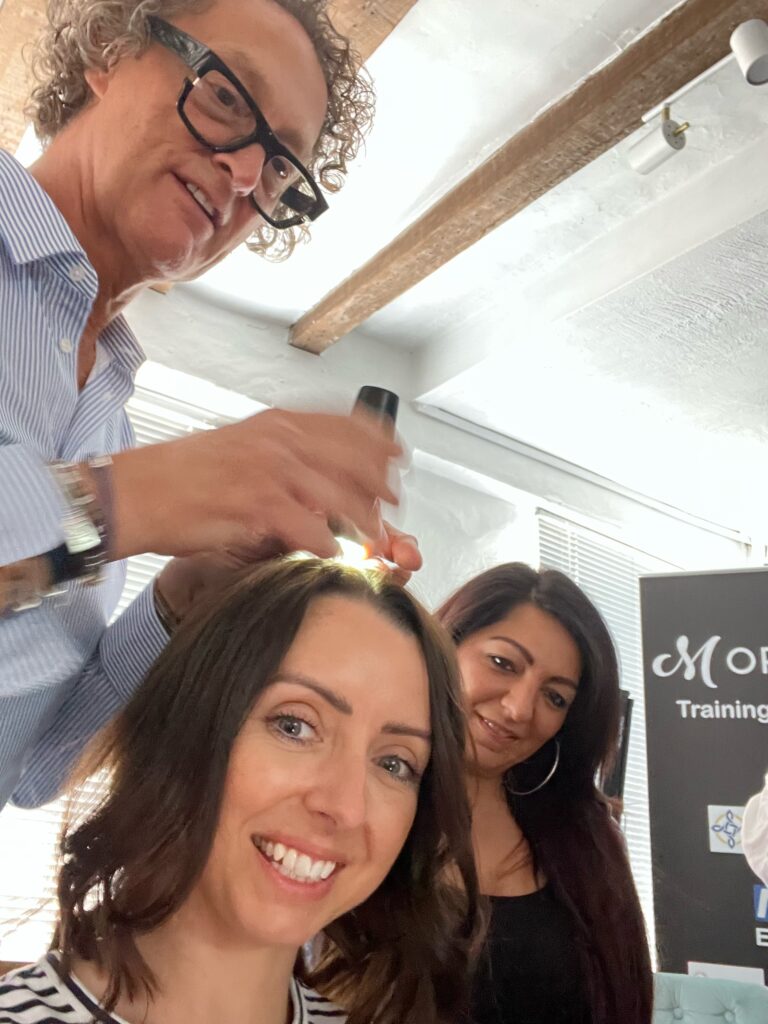
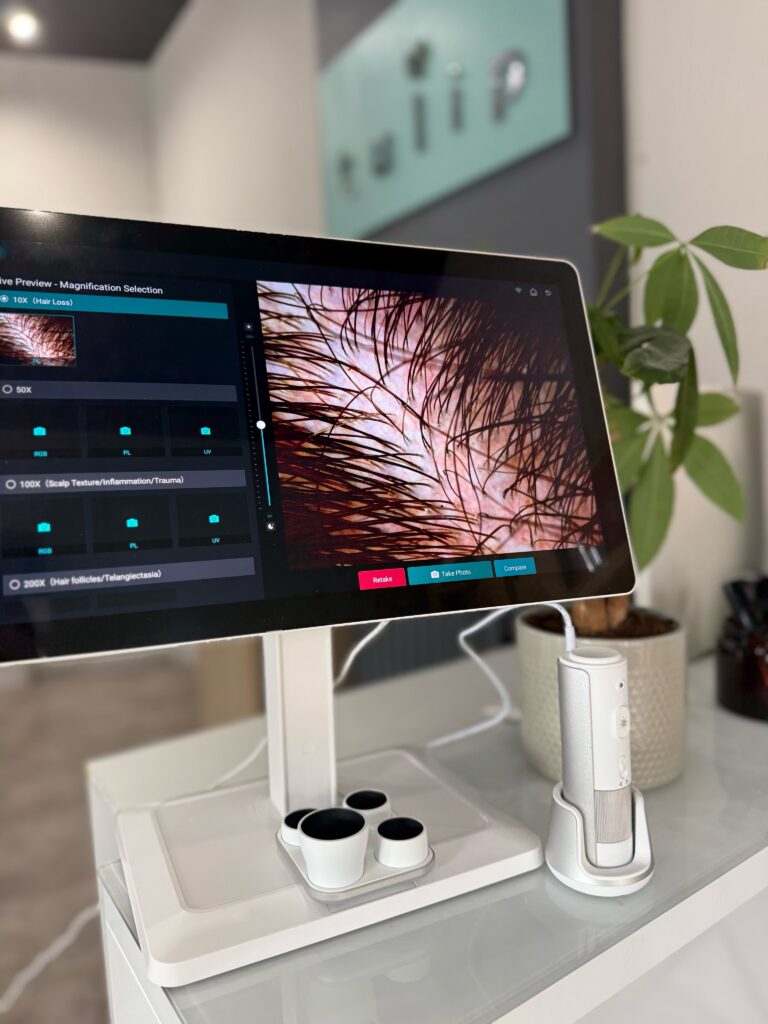
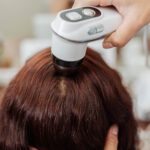
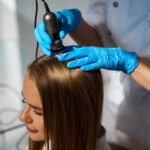
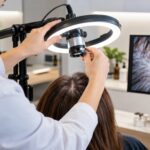
Alongside a visual examination, I use digital scalp imaging and magnification to look at areas that aren’t possible to assess properly with the naked eye.
Depending on your concern, I may assess things such as your scalp condition, hair density, variation in hair diameter, signs of inflammation, scaling, breakage and the appearance of individual follicles.
Images can also provide a useful baseline so that, where appropriate, we can compare changes over time rather than relying purely on how your hair looks or feels.
This is an important part of the appointment.
I don’t want you to leave with lots of medical terminology and no real understanding of what it means.
I’ll talk you through my findings, explain what I think may be happening and answer any questions you have.
For many hair and scalp conditions, the consultation and clinical examination can provide enough information to reach a diagnosis. In other cases, further investigation may be needed before we can be certain.
And that’s absolutely fine. I’d rather investigate properly than guess.
Not everyone does. However, certain types of hair loss can be associated with underlying health or nutritional factors, so blood tests can sometimes provide another useful piece of the puzzle.
If you’ve already had blood tests, please bring a copy of the actual results with you, including the laboratory reference ranges- even if you’ve been told they’re normal.
A laboratory reference range is designed to cover a broad population, so I won’t look at an individual number in isolation.
I’ll consider your results alongside your symptoms, medical history, diet, medications and what I find during your hair and scalp examination.
If I feel further testing would be useful, I’ll explain what I’m recommending and why. I don’t believe in requesting tests unnecessarily, and having access to previous results may mean some tests don’t need to be repeated.
There isn’t one treatment that works for every type of hair loss, which is why treatment shouldn’t begin before we understand what we’re treating.
Your recommendations will be based on your consultation and examination and may include changes to your hair or scalp care, in-clinic treatments such as scalp microneedling, evidence-based treatment options, nutritional or lifestyle considerations, further investigations or monitoring.
If something requires assessment or treatment outside my scope of practice, I’ll tell you.
Where appropriate, I may recommend that you speak to your GP, dermatologist or another healthcare professional and can provide information from your trichology assessment to support that referral.
Ideally, wash your hair around 24 hours before your consultation, using your normal shampoo.
Please avoid dry shampoo, hair fibres, scalp concealers, oils or heavy styling products on the day of your appointment, as these can make it more difficult to examine your hair and scalp accurately. If I need you to do anything differently for your particular appointment, I’ll let you know beforehand.
No. You can book a consultation directly with Tulip Trichology without being referred by your GP.
If I identify something during your consultation that would benefit from further medical investigation, I’ll explain why and advise you on the appropriate next step.
Hair grows slowly, so treating hair loss is rarely an overnight process.
Some scalp conditions can respond relatively quickly, whereas changes in shedding, density and regrowth usually need to be assessed over a period of months.
I’ll explain what you can realistically expect, whether I recommend a follow-up appointment and approximately when that should be.
Where monitoring is useful, photographs and digital scalp images can help us assess progress objectively over time.
And if I don’t think you need to keep coming back to clinic, I’ll tell you that too.
Your initial trichology consultation lasts approximately 60 minutes.
I deliberately allow plenty of time because I don’t want you to feel rushed. Hair loss can have a complicated history and, for many people, it’s something they’ve been worrying about for a long time.
Follow-up appointments are shorter and will be recommended where appropriate.
I look forward to my visit to Tulip. I get to relax, enjoy the chats and the lovely friendly welcoming atmosphere.
Wow blown away today with your expertise Amy… always an uplifting confidence boost from my visit..thank you xx
My hair is recovering and is in such good condition at the moment all thanks to Amy’s advice.
Amazing appointment with Amy. She made me feel at ease due to recent hair loss and gave me my confidence back! Thank you so much!

Thank you Amy for all your advice! Is there anything you don’t know about hair?!
Wow blown away today with your expertise Amy… what can l say… so very pleased with the plan taking shape… always an uplifting confidence boost from my visit.. thank you