
alopecia areata
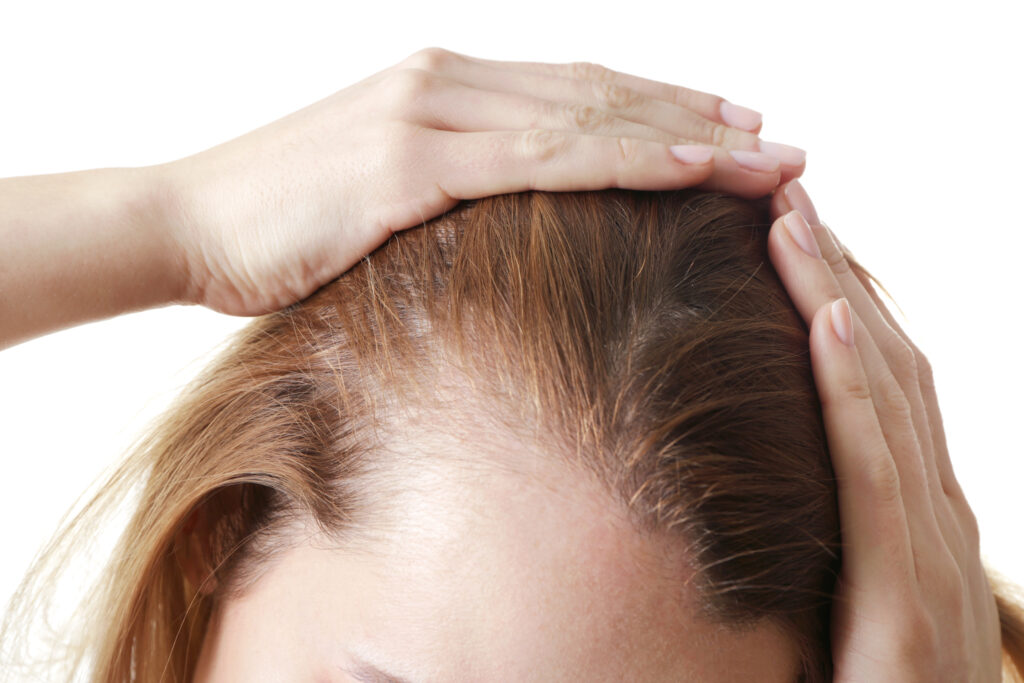
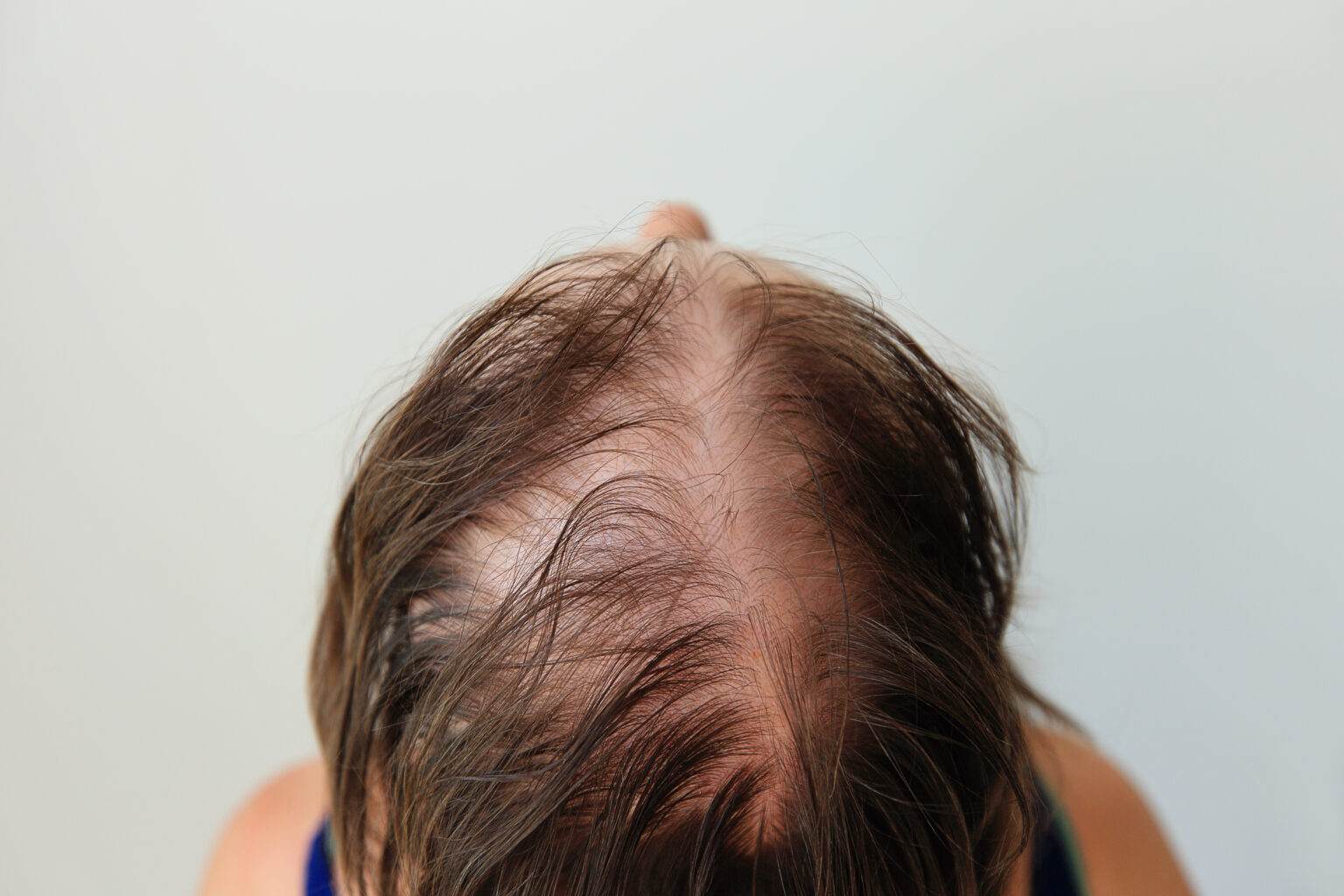
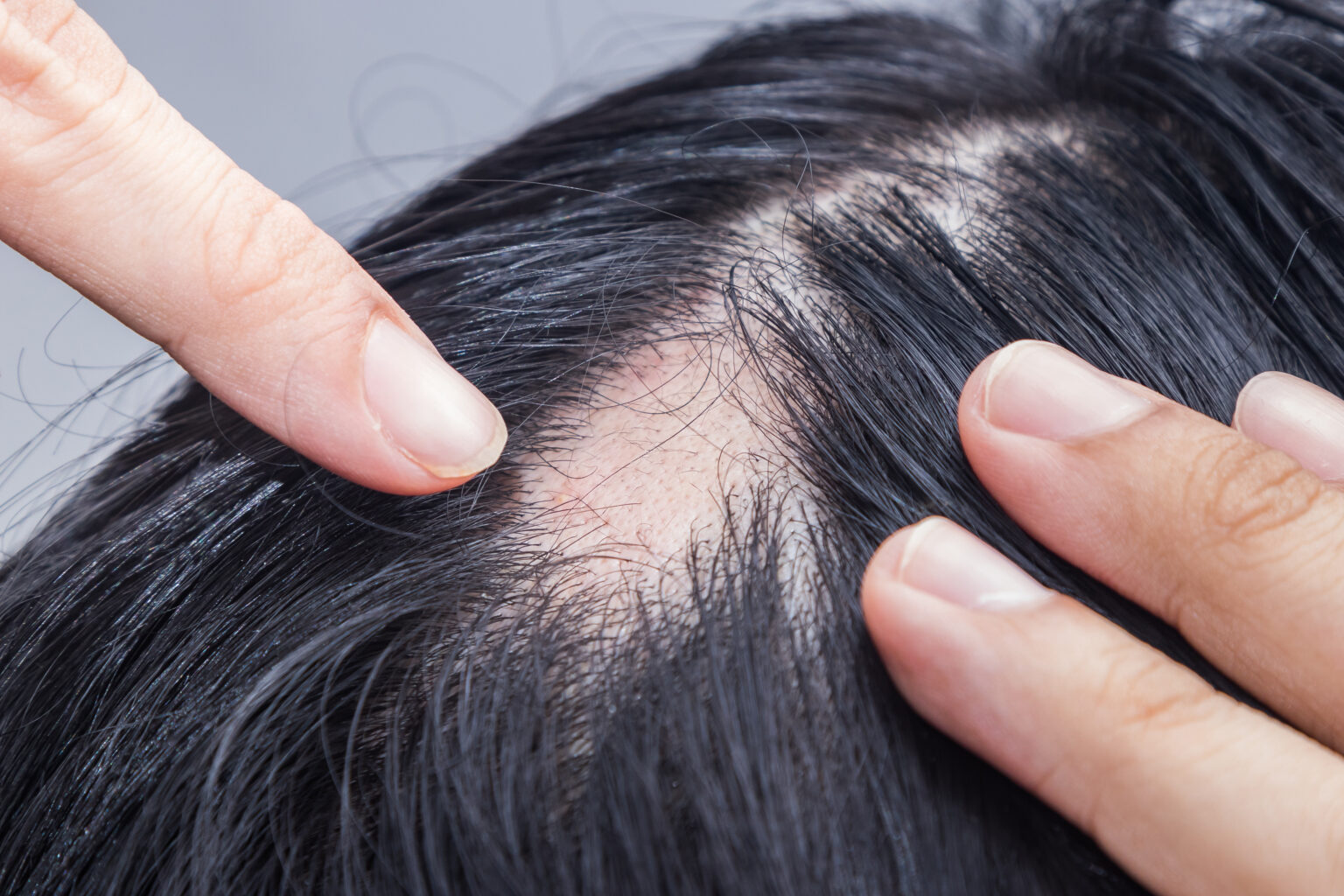
discovering a bald patch can be unexpected and upsetting, particularly when there has been no obvious warning.
One possible cause is alopecia areata, an autoimmune condition that affects hair follicles and can cause hair loss on the scalp or elsewhere on the body.
at Tulip Trichology, we understand that hair loss isn’t simply a cosmetic concern.
it can affect confidence, wellbeing and how you feel about yourself.
what is alopecia areata?
Alopecia areata occurs when the immune system mistakenly targets structures associated with growing hair follicles, disrupting normal hair production.
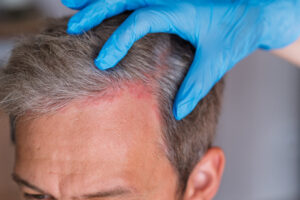
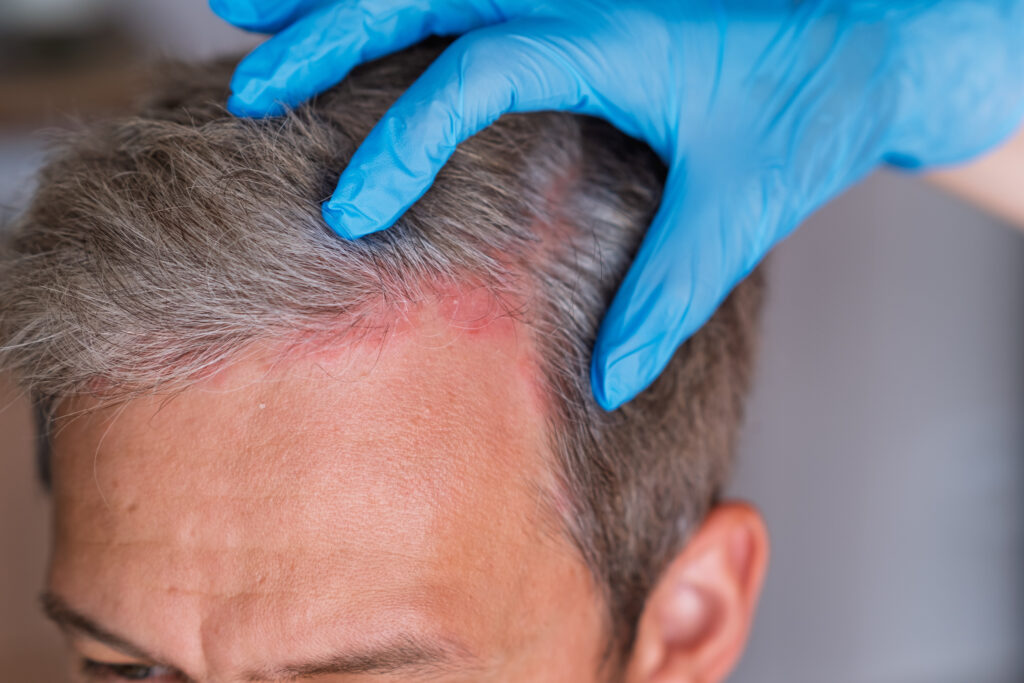
It often presents as one or more smooth, rounded patches of hair loss, although the pattern can vary considerably.
Some people experience limited patchy loss, while others develop more extensive hair loss. The condition is unpredictable, and its course differs from person to person.
what causes alopecia areata?
Alopecia areata involves a combination of immune and genetic factors.
Stress is sometimes reported around the onset of hair loss, but it is not accurate to describe alopecia areata as simply being caused by stress.
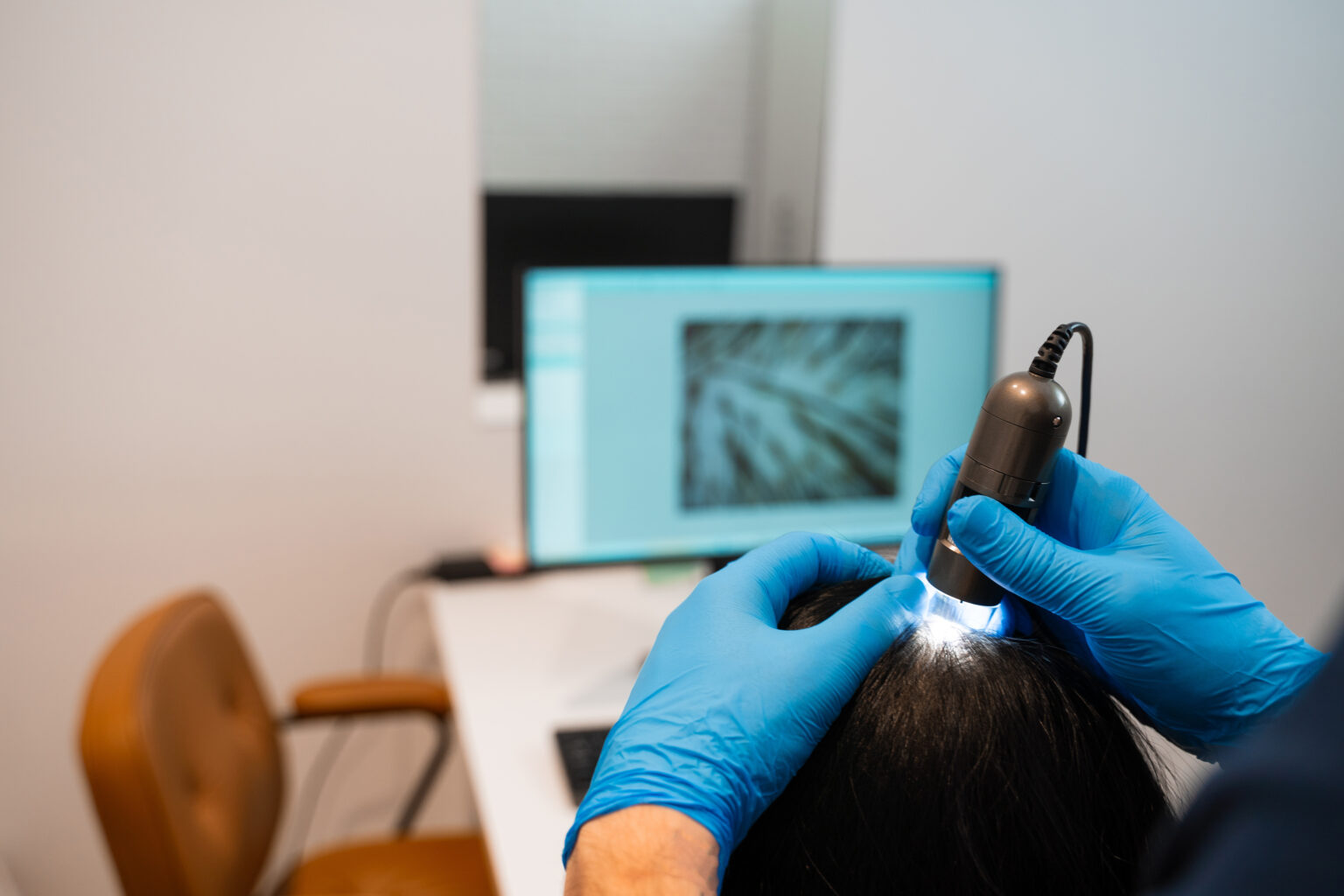
A careful assessment is important because several other conditions can also produce patchy hair loss.
can alopecia areata be treated?
Treatment depends on factors including age, the extent and duration of hair loss, and medical history.
Some people experience spontaneous regrowth, while others benefit from treatment provided through a GP or dermatologist.
Modern treatment options have expanded, particularly for more severe disease, but not every treatment is appropriate for every patient.
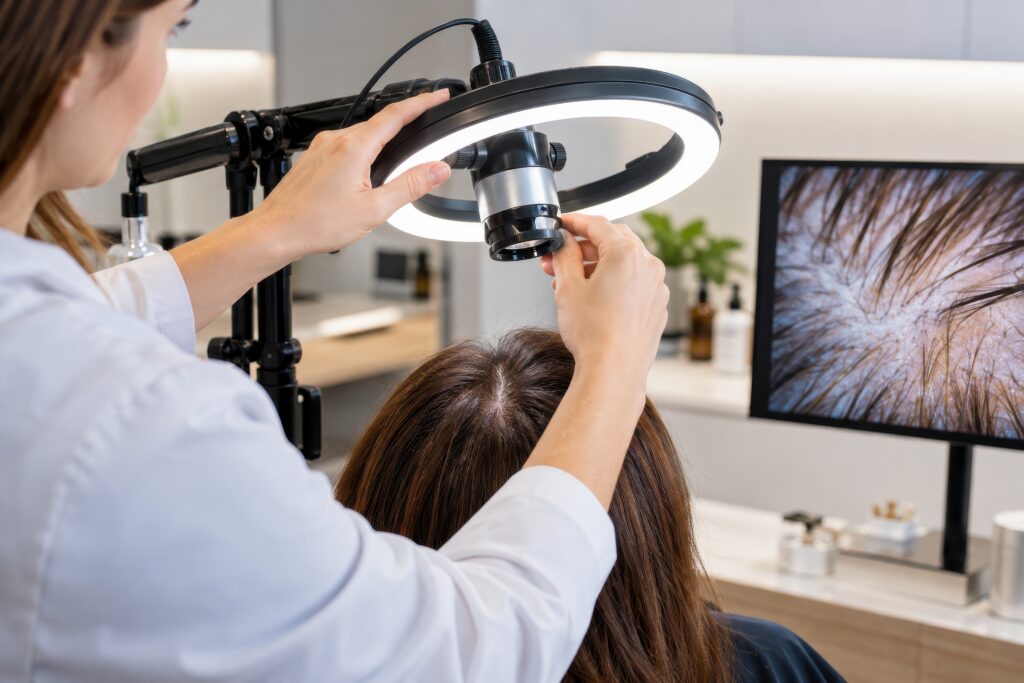
At Tulip Trichology, we can help assess your hair loss and discuss whether specialist medical referral may be appropriate.
if you’ve noticed a new patch of hair loss,
getting an appropriate assessment can help you understand what may be happening.
common questions about
alopecia areata:
No. Alopecia areata is not an infectious condition.
Regrowth is possible, sometimes without treatment, but the course is unpredictable and recurrence can occur.
Yes. It can affect hair-bearing areas beyond the scalp, including eyebrows, eyelashes and facial hair.
book an alopecia assessment in Stourbridge
If you’ve noticed a new patch of hair loss, getting an appropriate assessment can help you understand what may be happening.
At Tulip Trichology, we provide thoughtful, evidence-led advice and can recommend onward medical assessment when needed.