
male pattern hair loss (MPHL)
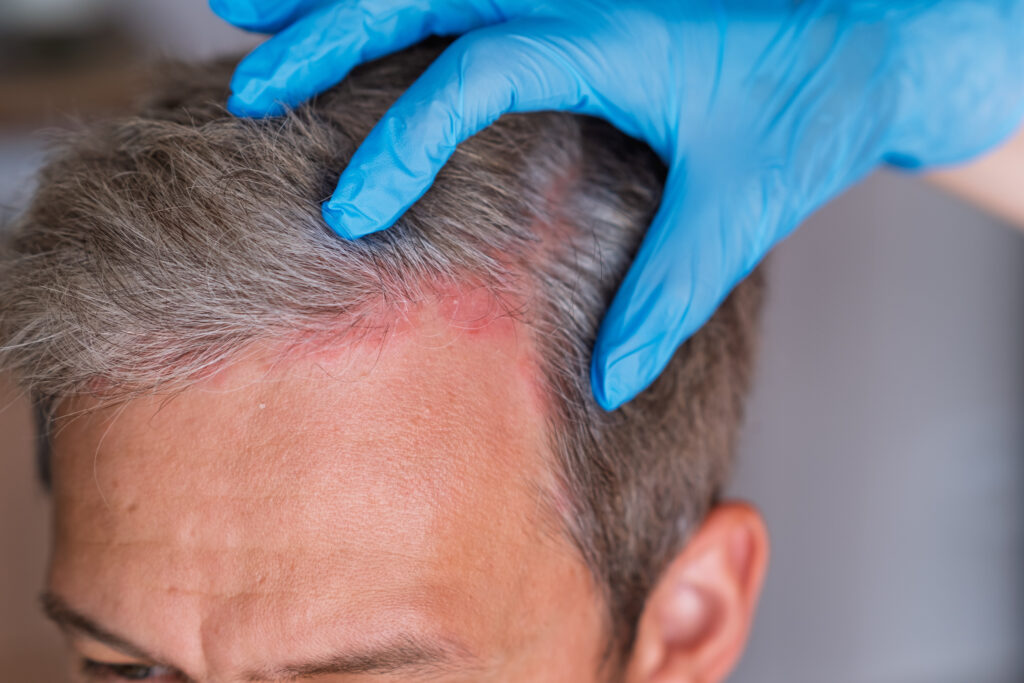
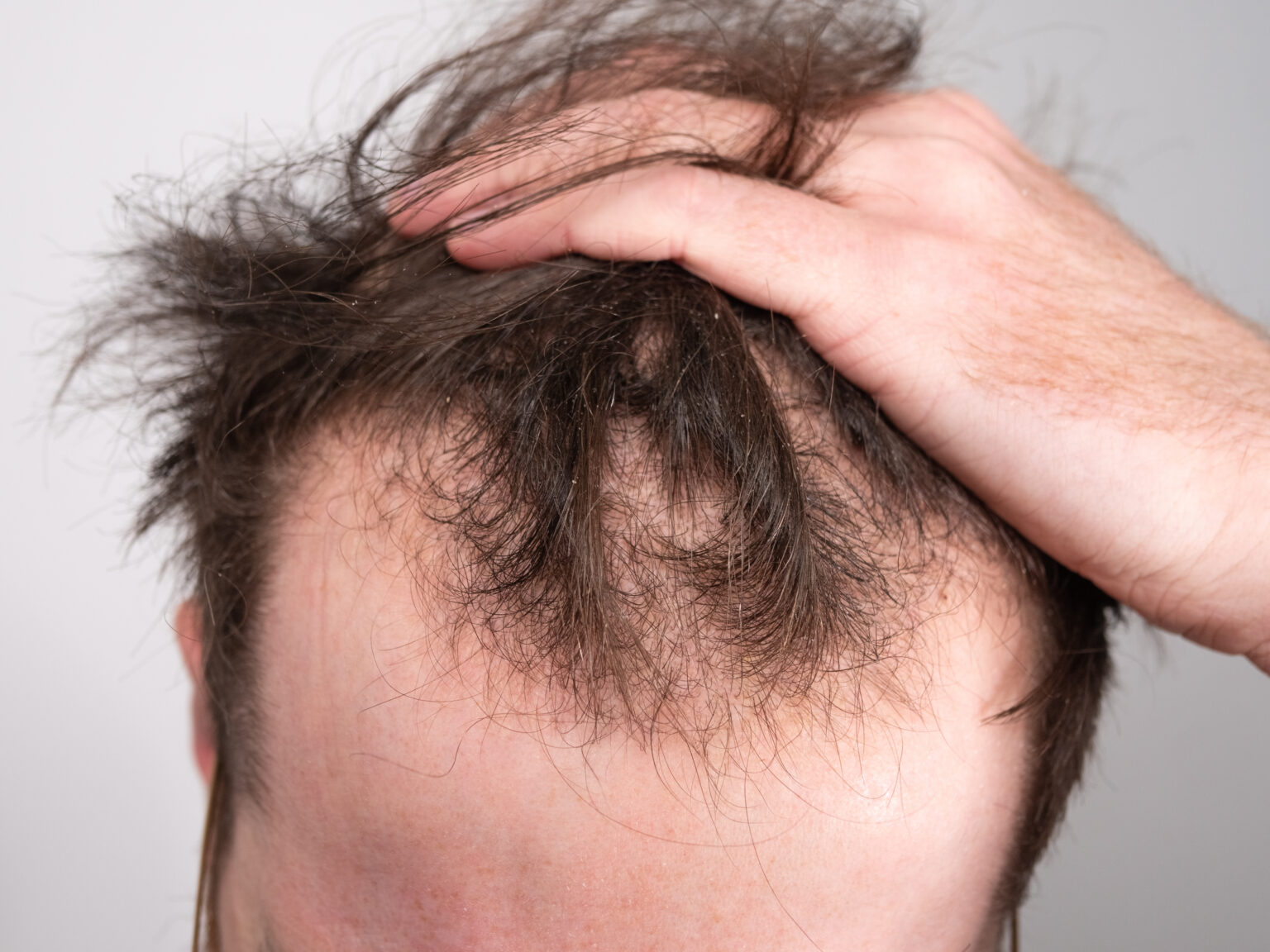
male pattern hair loss, medically known as androgenetic alopecia, is the most common form of hair loss in men.
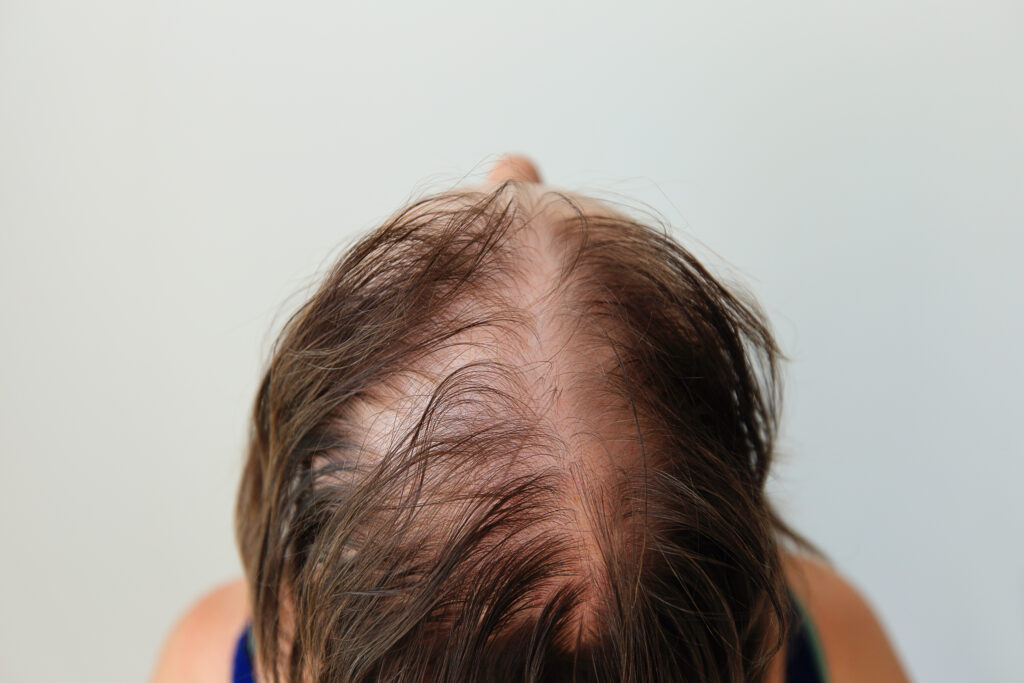
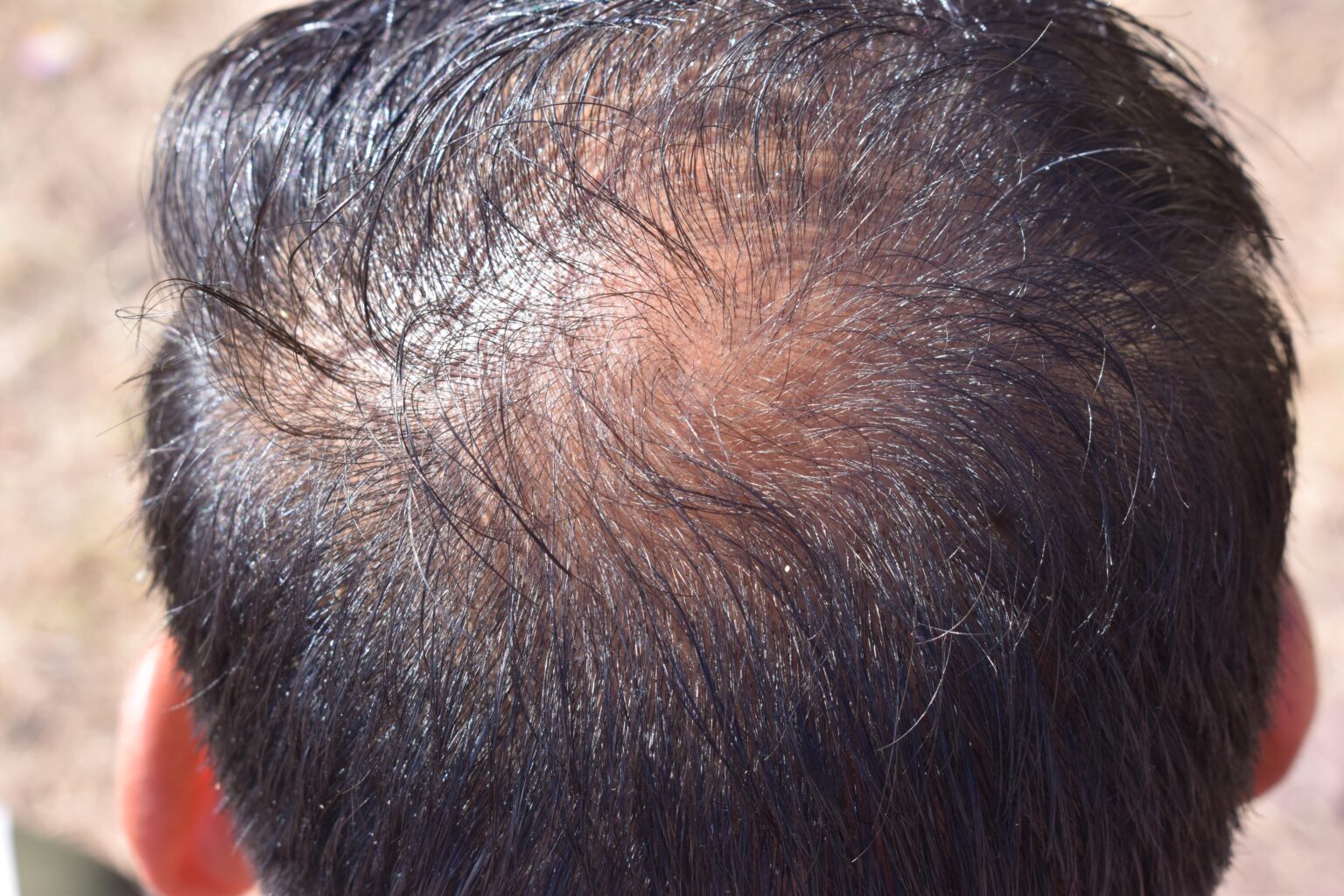
It can begin surprisingly early, sometimes in the late teens or twenties, and tends to develop gradually. You may have noticed your hairline changing, more scalp becoming visible at the crown, or your hair simply not feeling as thick as it once did.
although male pattern hair loss is very common:
that doesn’t mean you have to ignore it or feel that nothing can be done.
why early intervention matters
Male pattern hair loss is progressive, meaning that without treatment, thinning may continue over time.
The earlier changes are identified, the greater the opportunity to preserve existing hair and potentially slow further loss. Once follicles have become significantly miniaturised, restoring hair density can become more difficult.
You don’t need to wait until your hair loss becomes noticeable to others before seeking advice. Early assessment can help you understand your options and make informed decisions about your hair.
what causes male pattern hair loss?
Male pattern hair loss is influenced by genetics and the sensitivity of certain hair follicles to dihydrotestosterone (DHT), a hormone derived from testosterone.
Over time, susceptible follicles gradually produce finer, shorter hairs through a process called follicular miniaturisation.
However, not every change in hair density is caused by male pattern hair loss. Other conditions can sometimes occur alongside it.
how can a trichologist help?
At Tulip Trichology, we look beyond the appearance of your hair.
Your consultation includes a discussion of your hair loss history, relevant health factors and a detailed examination of your hair and scalp using digital magnification.
This helps us assess patterns of thinning, identify signs of miniaturisation and consider whether other factors may be contributing.
we’ll explain the available options clearly, including their limitations,
so you can make an informed decision without pressure.
common questions about
male pattern hair loss:
There are evidence based treatment options that may help slow progression and, in some cases, improve hair growth.
The most appropriate approach depends on your age, medical history, the extent of your hair loss and your individual goals. Some treatments require assessment and prescribing by a suitable healthcare professional.
Yes. Genetic hair loss can begin in early adulthood, although the rate of progression varies considerably.
No. Wearing a hat does not cause androgenetic alopecia.
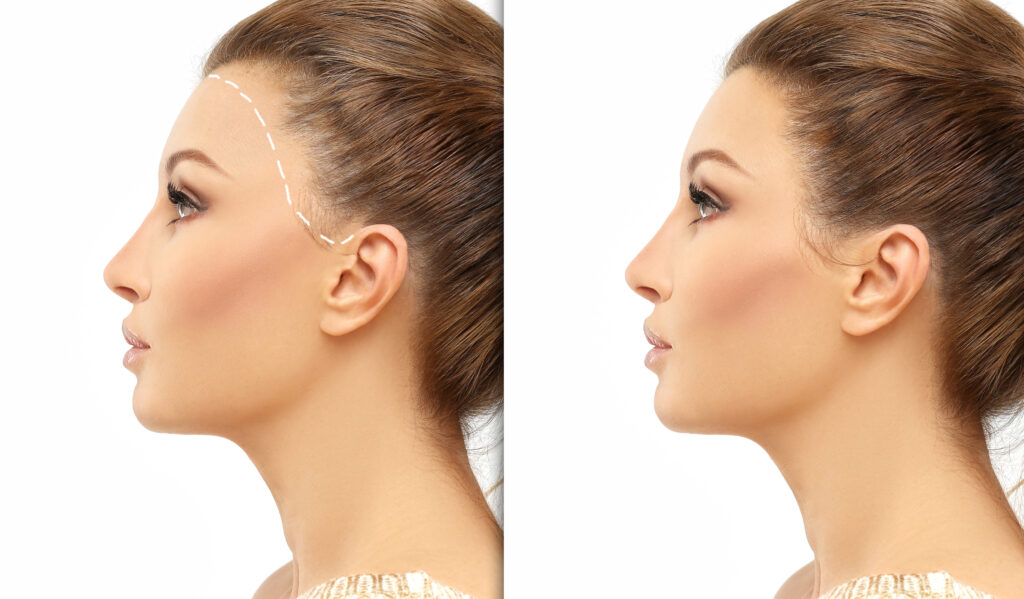
Not necessarily. Hairlines can change naturally with age, and other conditions can affect the frontal hairline. An examination can help distinguish between them.
If you’re concerned about changes in your hairline or density, we’re here to help you understand what’s happening.
At Tulip Trichology, you’ll receive honest, evidence-led guidance in a private, welcoming environment.