
folliculitis
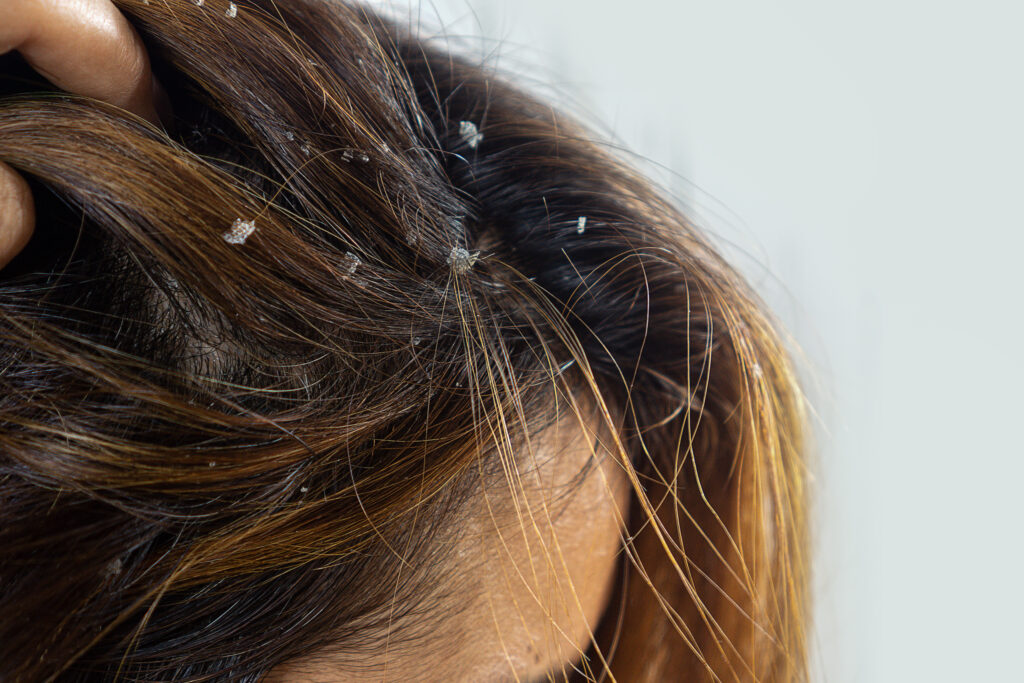
spots on your scalp can be uncomfortable, particularly when they become sore, itchy or keep returning.
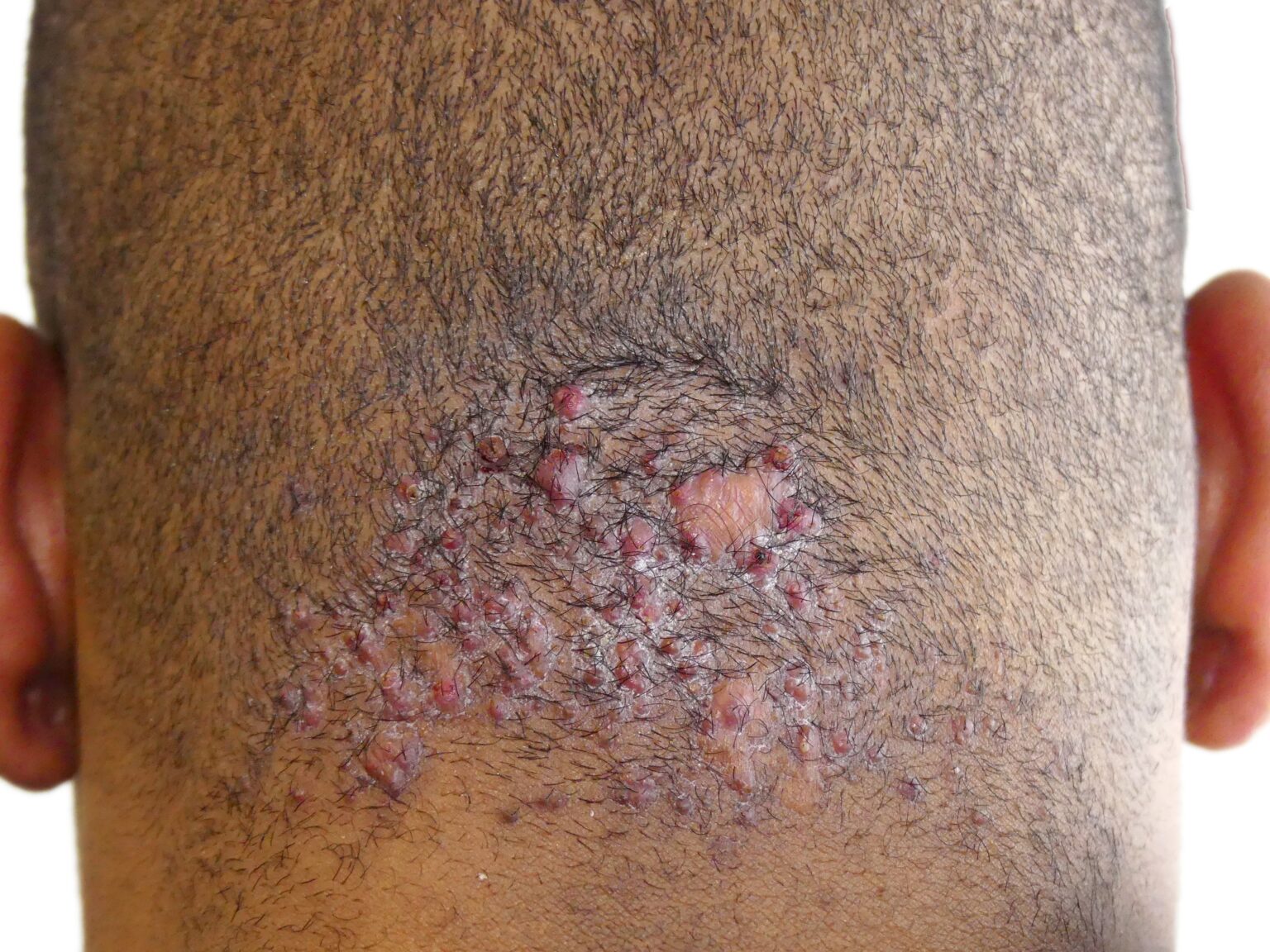
You might notice small bumps around the hair follicles, tenderness when brushing your hair or occasional pustules that resemble acne. One possible explanation is scalp folliculitis, although several scalp conditions can produce similar symptoms.

recurrent pustules, crusting or areas of hair loss
should not simply be treated as ordinary scalp spots.
what is scalp folliculitis?
Folliculitis describes inflammation affecting the hair follicles. It can occur for several reasons, including bacterial infection, yeast-related inflammation and other inflammatory processes.
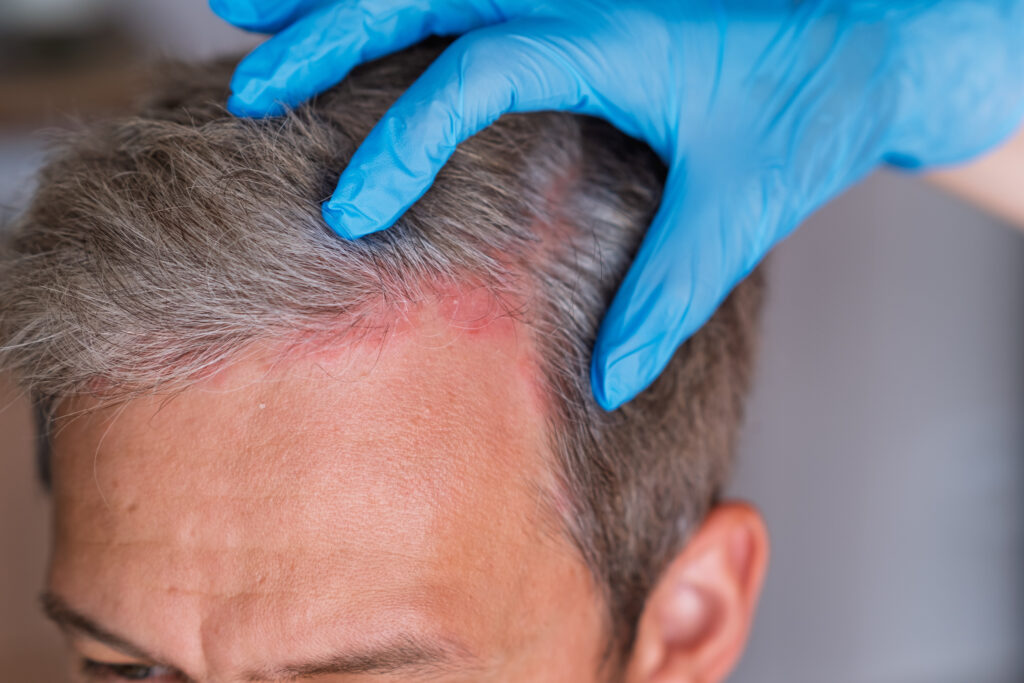
Symptoms may include small red or skin-coloured bumps, pustules, itching, tenderness and occasionally crusting.
Some forms are relatively mild and temporary, while others require more specialist investigation.
can scalp folliculitis cause hair loss?
Mild folliculitis doesn’t usually cause permanent hair loss.
However, certain persistent or severe inflammatory follicular disorders can damage hair follicles and cause scarring.
This is why recurrent pustules, crusting or areas of hair loss should not simply be treated as ordinary scalp spots.
how is scalp folliculitis managed?
The appropriate treatment depends on the underlying cause. Some cases require prescribed antimicrobial or anti-inflammatory medication, while others need further investigation by a dermatologist.
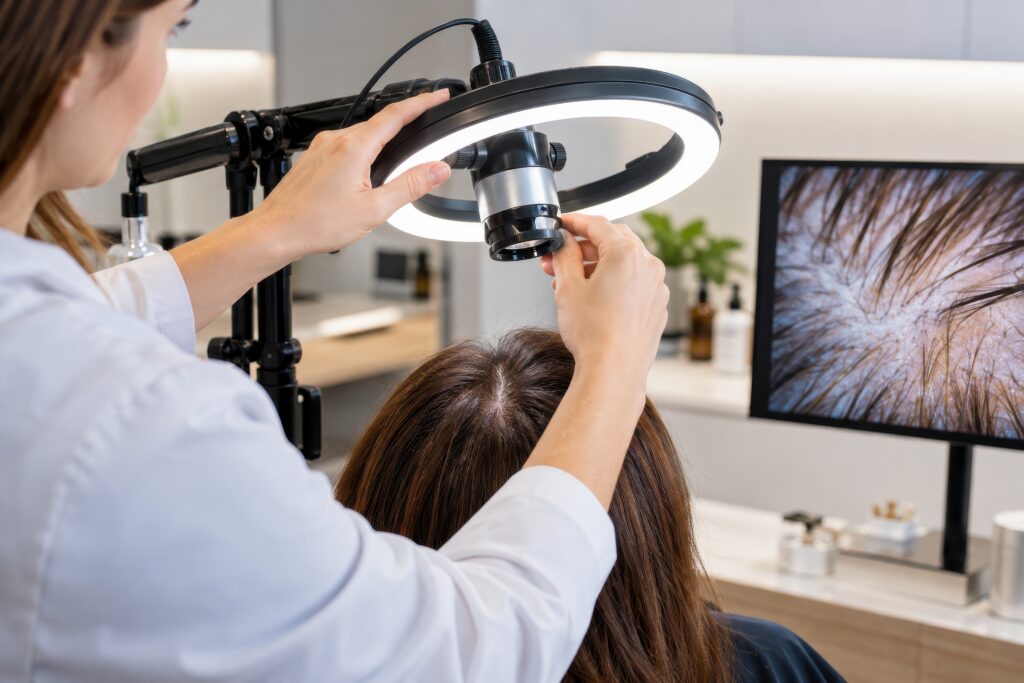
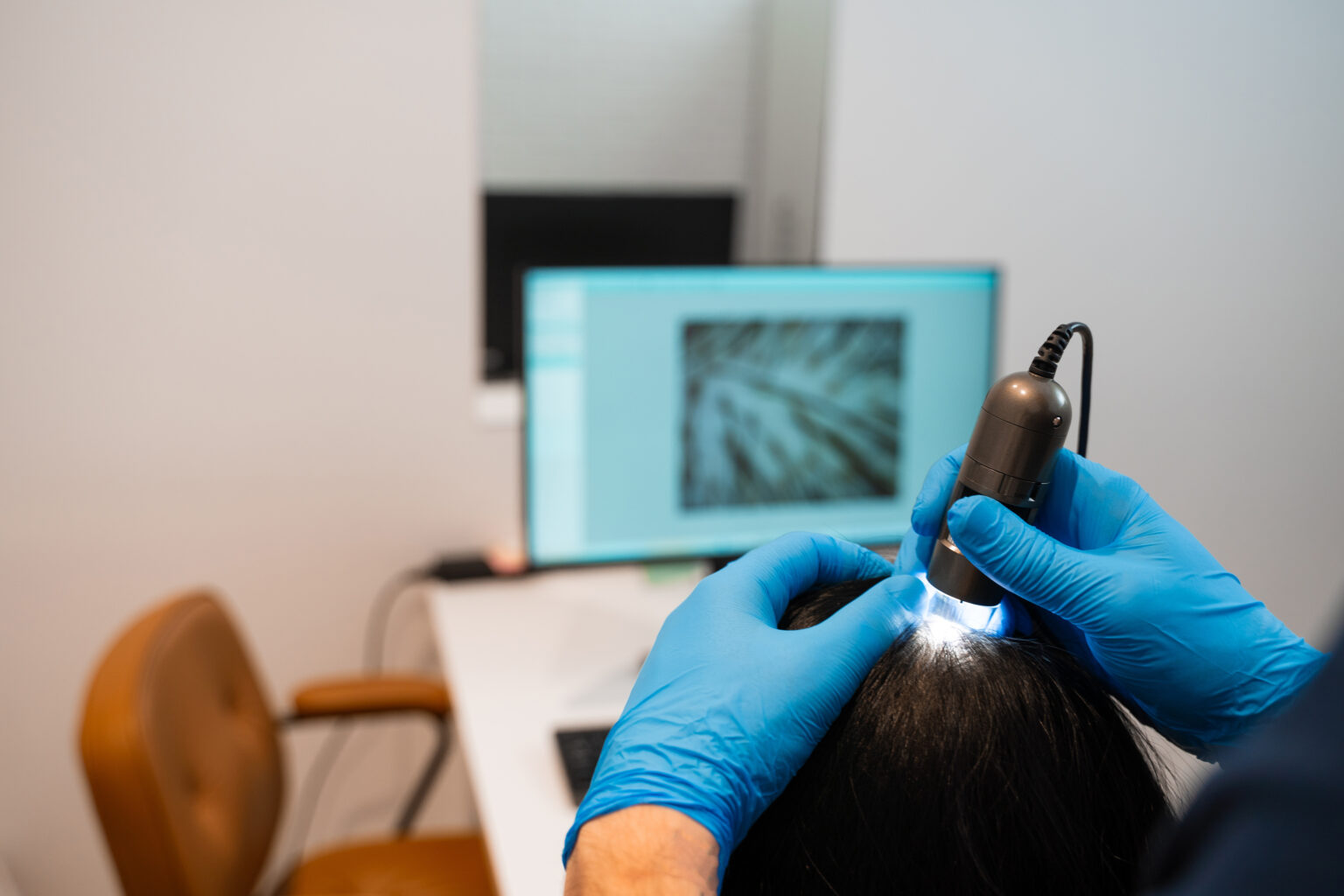
At Tulip Trichology, we’ll examine your scalp, discuss your symptoms and assess whether there are features that warrant medical referral.
We won’t recommend unnecessary scalp treatments when medical investigation would be more appropriate.
if you’re experiencing persistent scalp spots, tenderness or recurring inflammation,
we’re here to help you understand what may be happening.
common questions about
scalp folliculitis:
Recurring scalp spots can have several causes, including folliculitis, irritation and other inflammatory skin conditions. Examination may help identify the likely explanation.
No. Squeezing or picking can worsen inflammation and damage the surrounding skin.
Not necessarily. Some forms involve infectious organisms, while others are not primarily infectious. The underlying cause determines whether transmission is a concern.