
female pattern hair loss (FPHL)
noticing that your hair isn’t as thick as it used to be can be difficult, particularly when the changes happen slowly.
Perhaps your parting looks wider, your ponytail feels smaller or you’re finding it harder to style your hair in the way you used to.
Female pattern hair loss is one possible explanation, but it’s important not to assume that every change in hair density has the same cause.

at Tulip Trichology, we understand how personal hair loss can feel.
our approach is to listen first, investigate carefully and offer honest, evidence-led guidance.
why early intervention matters
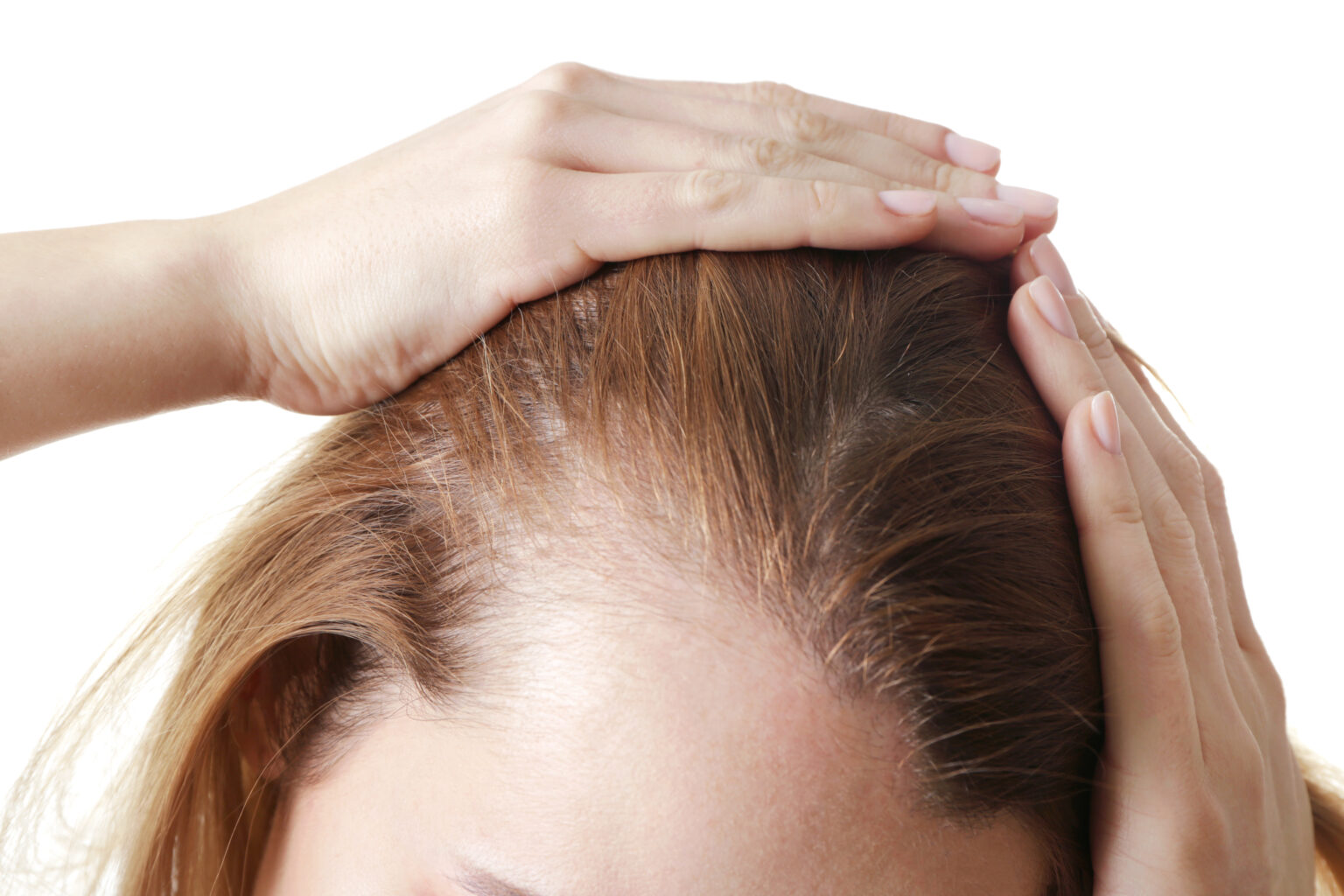
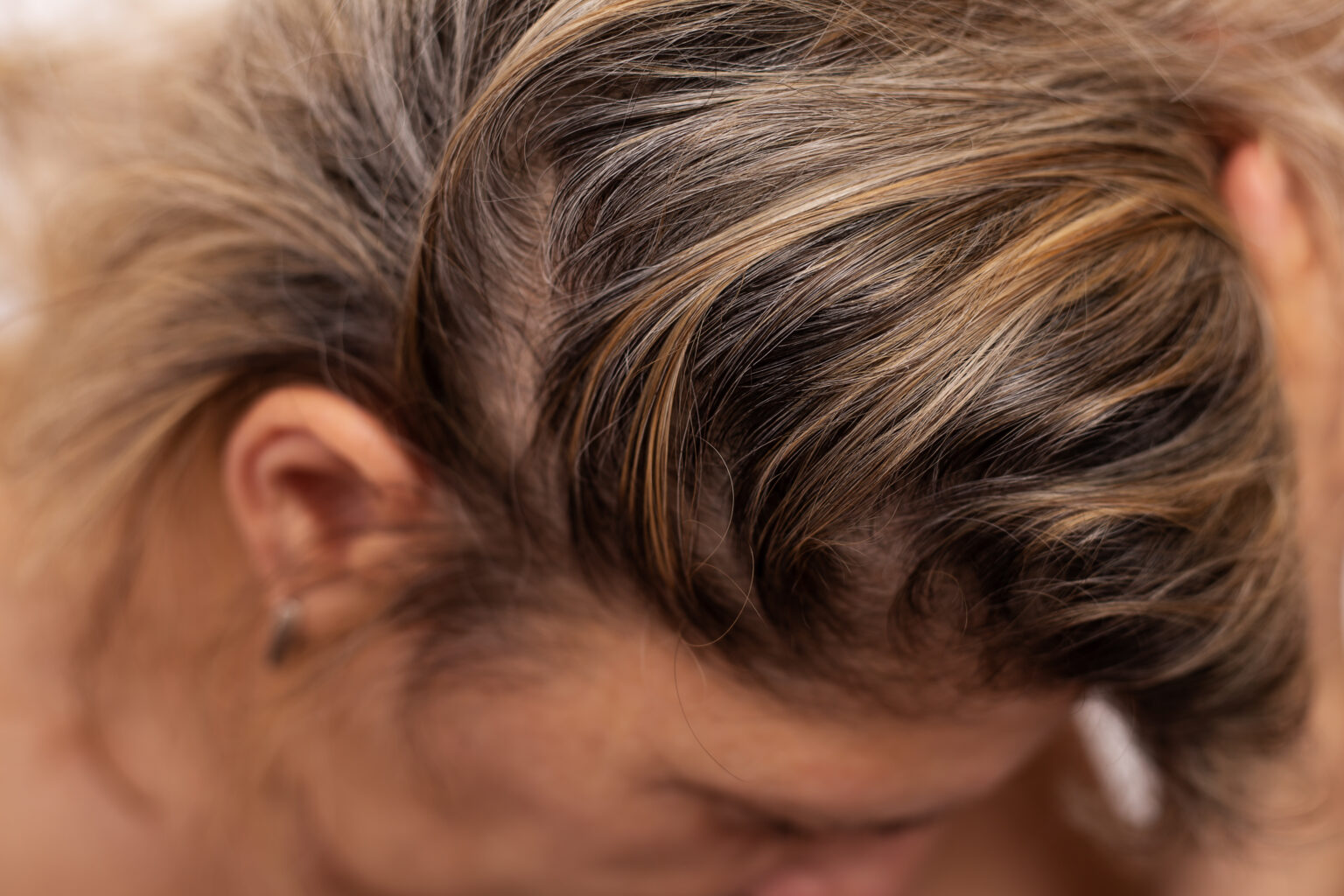
Female pattern hair loss often develops gradually, making the early signs easy to overlook. You might notice your parting becoming slightly wider or your ponytail feeling less full.
Because female pattern hair loss is progressive, recognising changes early can make a real difference. Appropriate treatment may help maintain existing density and slow further thinning, particularly before significant miniaturisation has occurred.
If you’ve noticed changes in your hair, it’s worth having them assessed sooner rather than waiting for them to become more pronounced.
what causes female pattern hair loss?
Female pattern hair loss is influenced by genetic and hormonal factors, but its causes are complex and not completely understood.
It may become more noticeable with age or around menopause, although it can also begin much earlier.
Importantly, having female pattern hair loss doesn’t necessarily mean your hormone levels are abnormal.
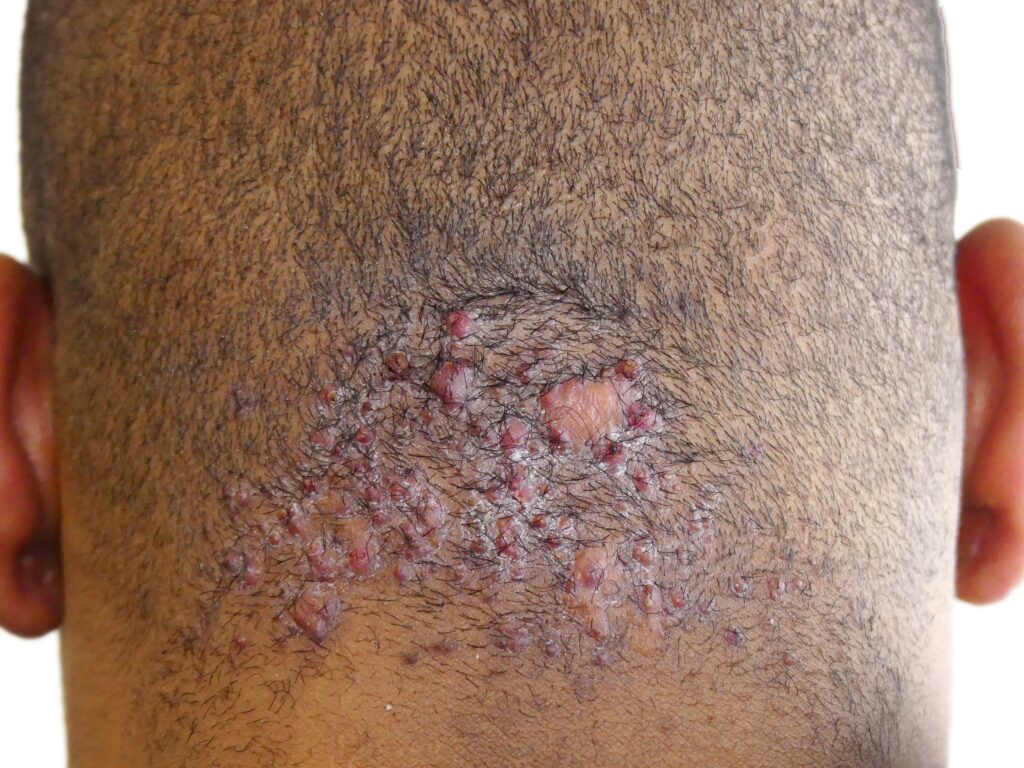
Other conditions, including telogen effluvium, can occur alongside FPHL and make thinning more noticeable.
how can a trichologist help?
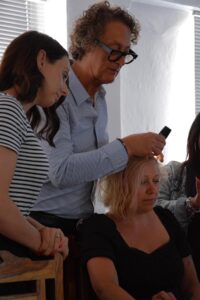
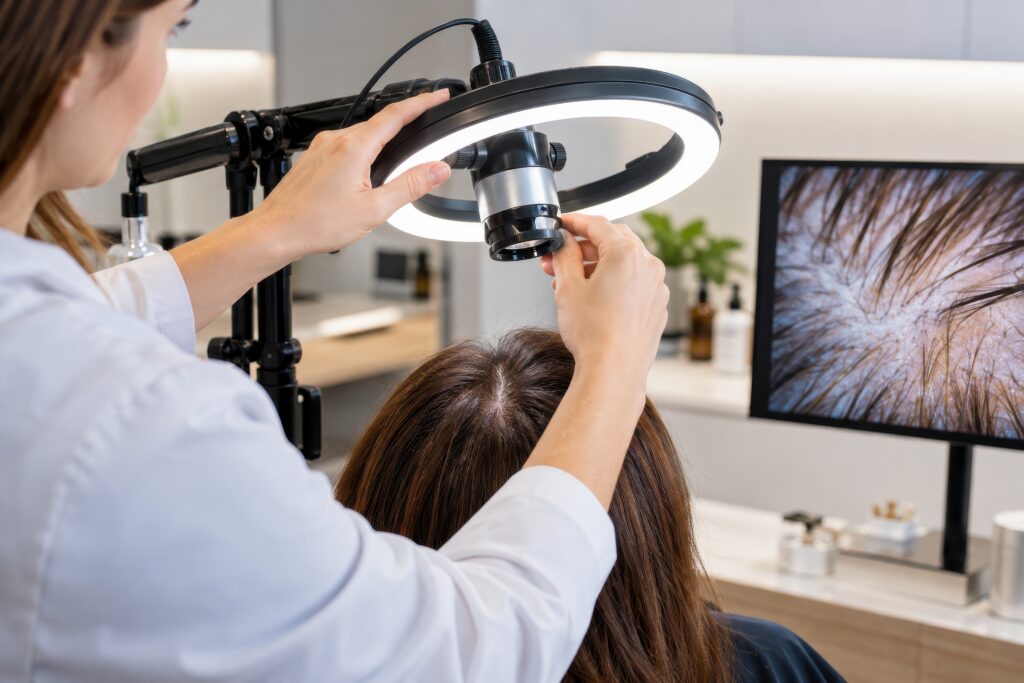
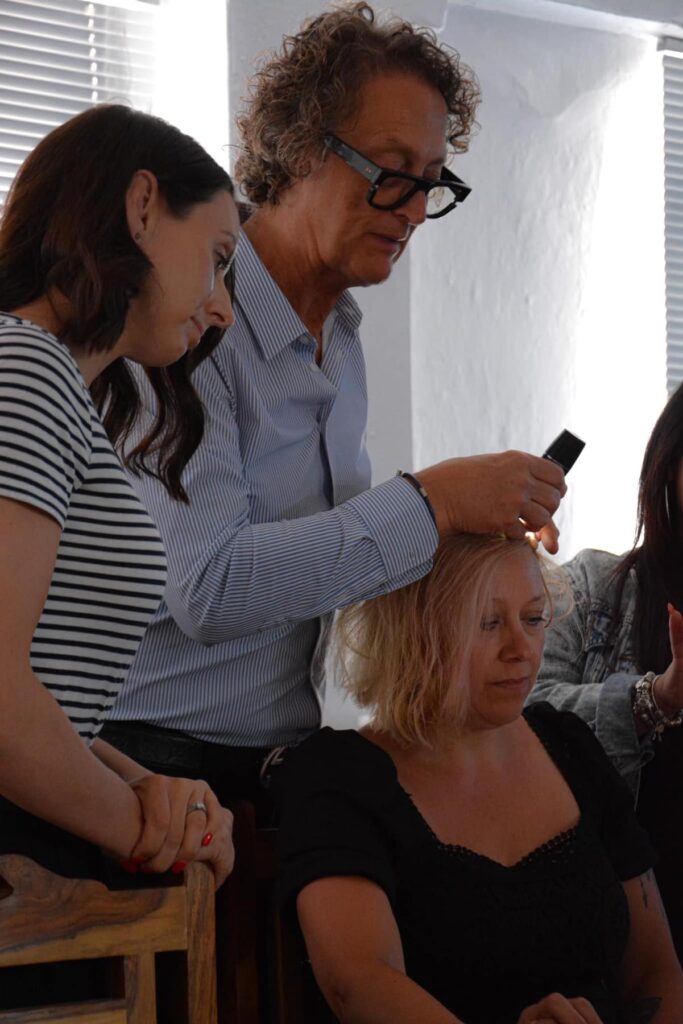
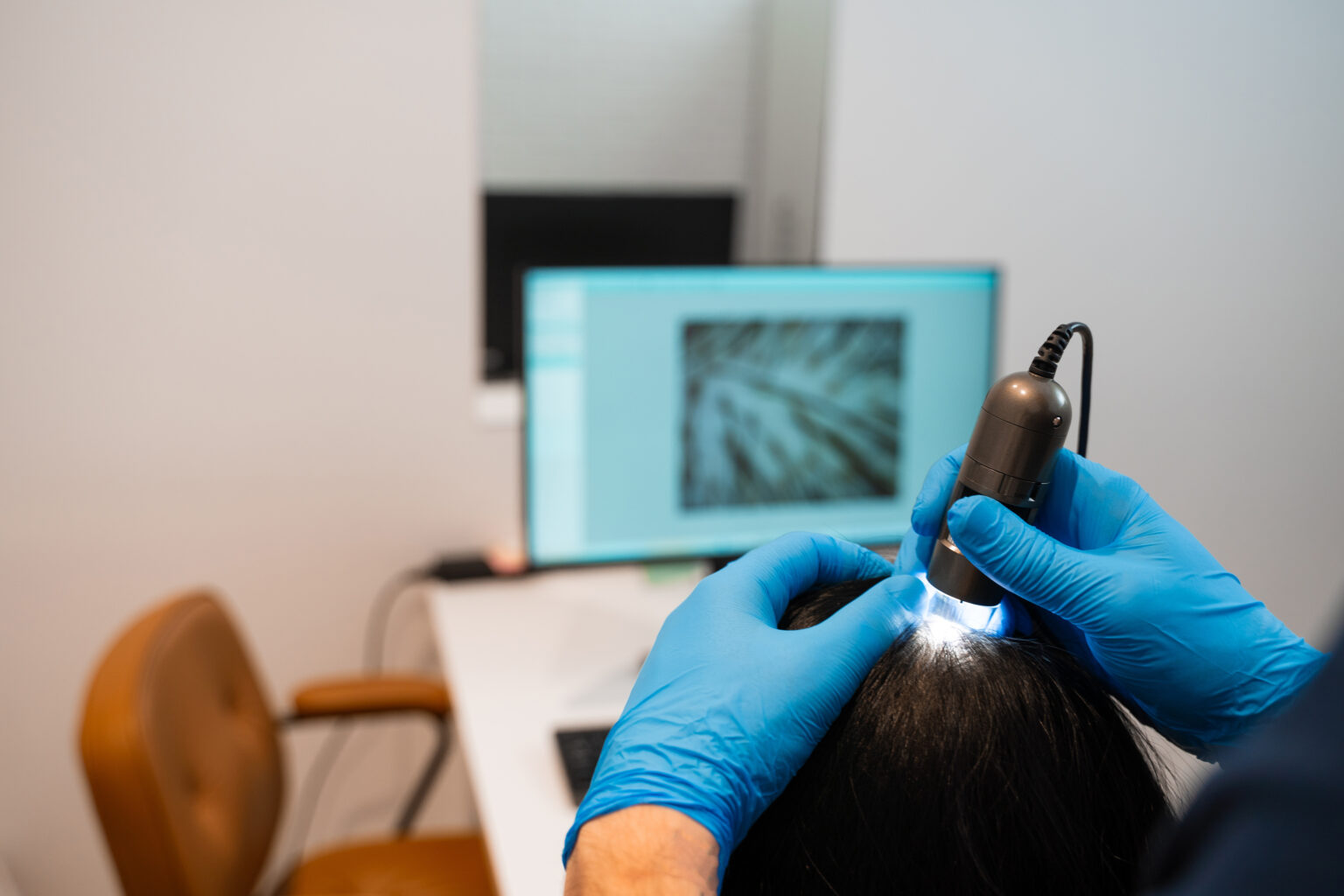
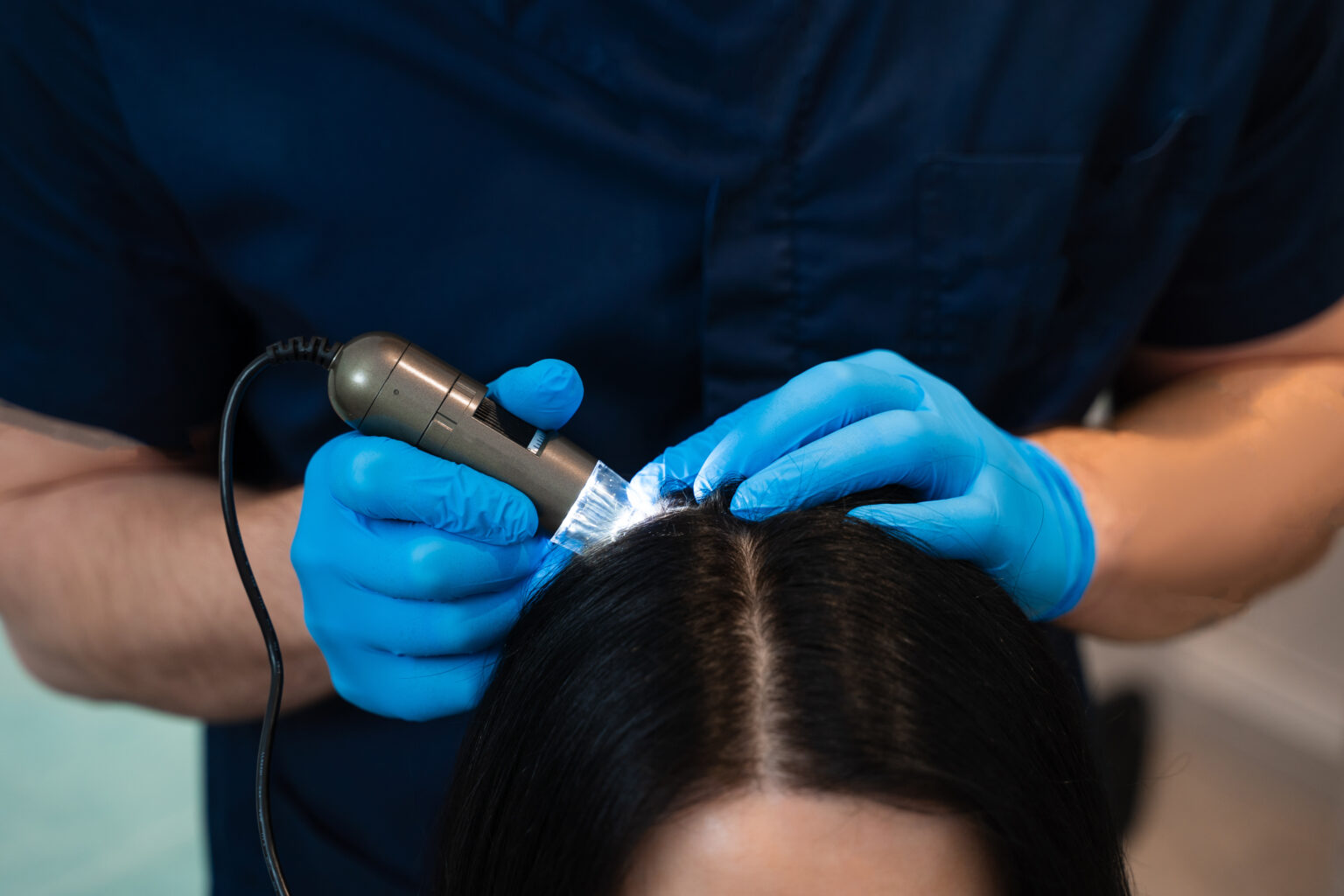
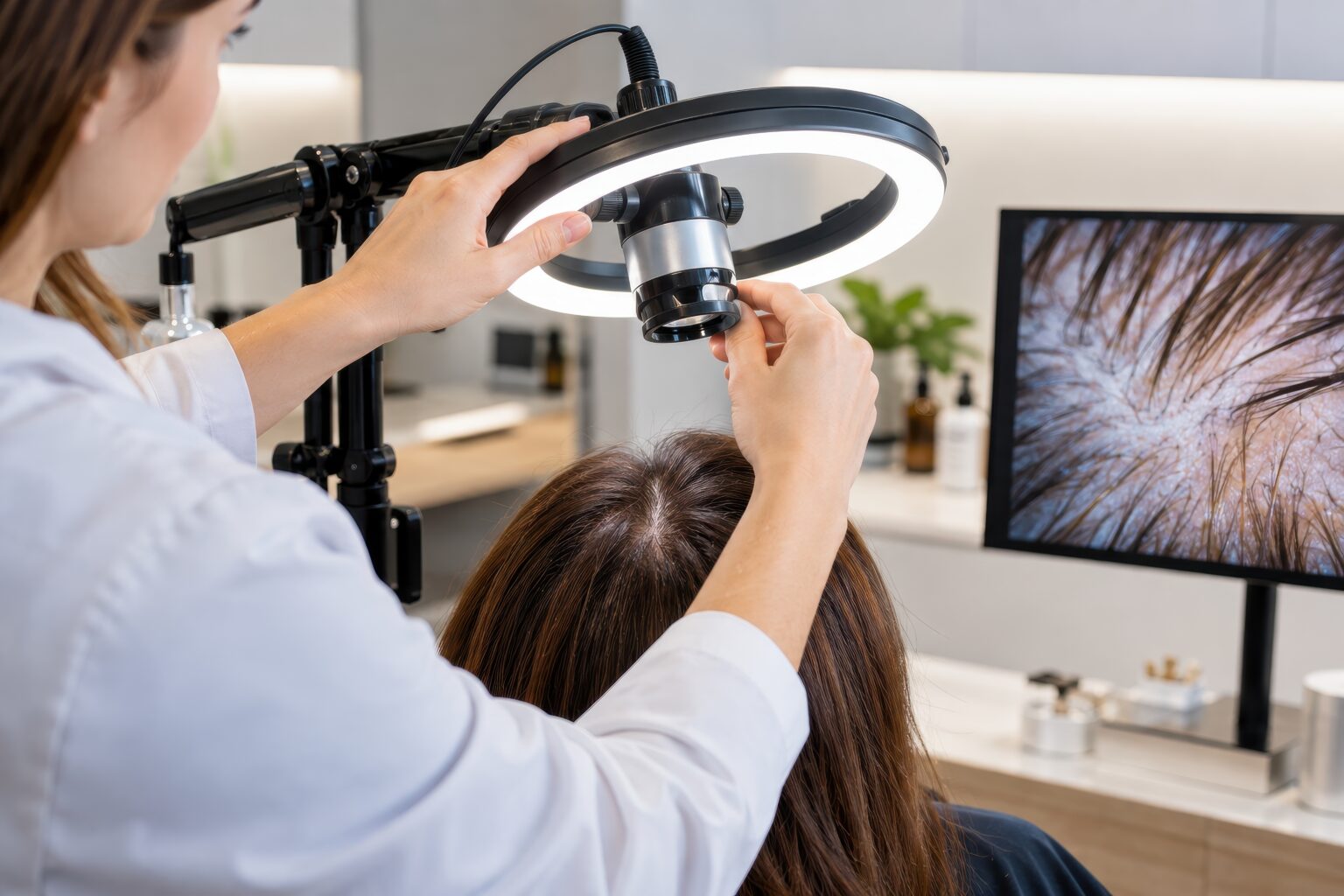
Your appointment includes a detailed discussion of your hair loss history, relevant health and hormonal factors, and an examination using digital scalp magnification.
We’ll assess the distribution of thinning, hair shaft variation and any signs that suggest another or additional cause.
Our focus is on helping you make informed decisions, not selling treatments you don’t need.
we’ll discuss appropriate options, realistic expectations
…and whether further investigations or medical referrals are advisable.
…so you can make an informed decision about your next steps.
common questions about
female pattern hair loss:
Female pattern hair loss (FPHL) is a common form of progressive, non-scarring hair loss.
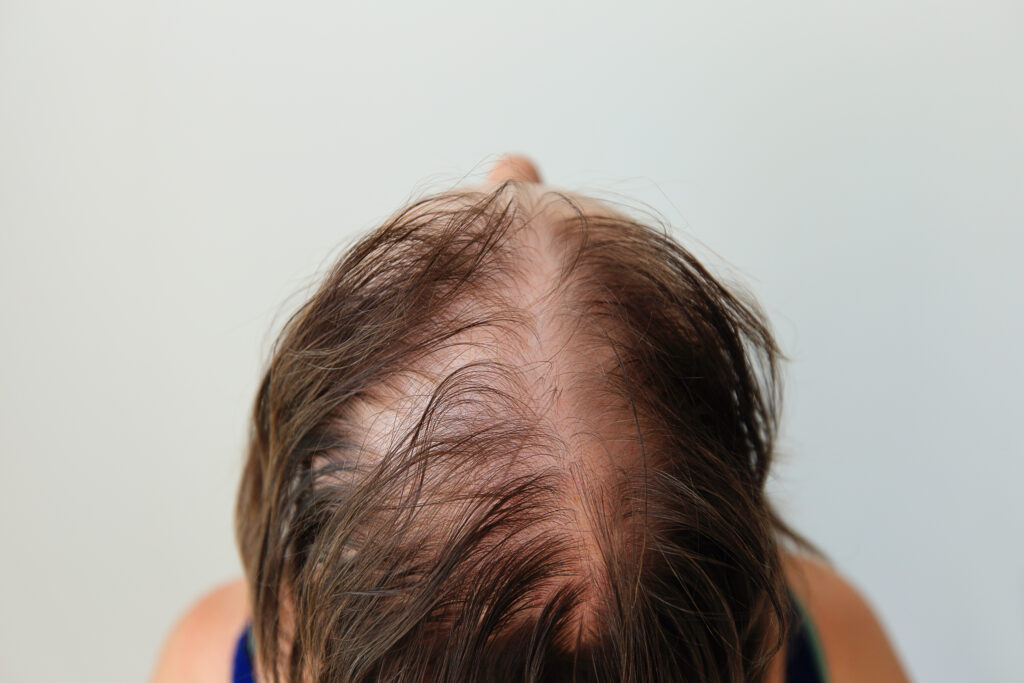
It typically involves a gradual reduction in hair density, often most noticeable over the central scalp or parting.
A key feature is follicular miniaturisation, where affected follicles progressively produce finer hairs.
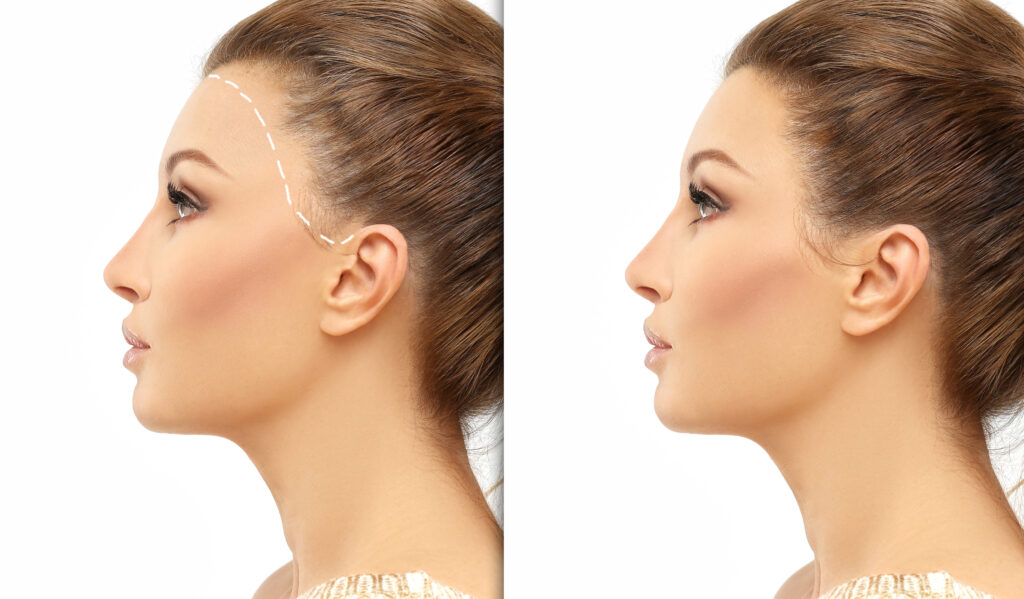
Unlike male pattern hair loss, the frontal hairline is often relatively preserved, although patterns vary.
There are evidence-based treatments that may help slow progression and improve hair density in some individuals.
The most suitable approach depends on your medical history, the pattern and extent of thinning, and other relevant factors.
During your consultation, we’ll discuss appropriate options, realistic expectations and whether any further investigations or medical referrals are advisable.
Menopause may contribute to changes in hair density, but female pattern hair loss can develop before menopause and is influenced by several factors.
Yes. Although it becomes more common with age, it can begin in younger adulthood.
Some treatments can improve hair growth or density, particularly when follicles remain active. Results vary, and ongoing management may be necessary.
book a female hair loss consultation in Stourbridge
If you’re noticing gradual thinning, a widening parting or changes in your hair density, we’re here to help you understand why. At Tulip Trichology, you’ll receive a private, thorough consultation with time to discuss your concerns and explore the next steps.